Immersion Cooling for Crypto Mining: The Game-Changer for Efficiency
In the high-stakes world of cryptocurrency mining, where every watt counts and heat is the silent killer of profits, a revolutionary technology is turning the tide. Imagine submerging your ASIC miners not in water, but in a special non-conductive fluid that sucks away heat like a sponge—silently, efficiently, and without the roar of fans. This isn't science fiction; it's immersion cooling for crypto mining, and it's exploding in popularity as miners chase lower costs and higher yields amid rising network difficulty and energy prices.
As of October 2025, with Bitcoin's hash rate surpassing 700 EH/s and global energy costs climbing due to geopolitical tensions, immersion cooling isn't just a luxury—it's a necessity for staying competitive. Whether you're a home hobbyist tinkering with a few rigs or managing a multi-megawatt farm, this guide dives deep into how immersion cooling works, its undeniable benefits, real-world setups, and tips to get started. Buckle up: we're about to unlock the cooler, greener path to mining mastery.
The Heat Problem: Why Traditional Cooling is Falling Short
Crypto mining, especially Bitcoin's proof-of-work model, turns electricity into computational power—and a ton of waste heat. ASIC miners like the Bitmain Antminer S21 or MicroBT Whatsminer M60S can guzzle 3,500 watts each, generating temperatures that hit 80°C or higher under load. Overheating doesn't just throttle performance; it shortens hardware life, spikes repair costs, and risks catastrophic failures.
Enter traditional air cooling: fans whirring at jet-engine decibels (up to 80 dB), sucking in dust that clogs heatsinks, and demanding massive ventilation setups. In large farms, this means sprawling layouts to allow airflow, huge AC bills, and a Power Usage Effectiveness (PUE) ratio often exceeding 1.5—meaning up to 50% of your energy goes to cooling, not hashing. It's noisy, inefficient, and environmentally taxing, with mining's carbon footprint rivaling small countries.
Immersion cooling flips the script. By ditching air for liquid, it addresses these pain points head-on, offering a path to PUEs under 1.05 and hash rate boosts that can add 20-40% to your bottom line.
How Immersion Cooling Works: A Step-by-Step Breakdown
At its core, immersion cooling submerges your mining hardware in a dielectric fluid—a non-conductive liquid engineered to absorb heat without short-circuiting electronics. Think of it as giving your ASICs a luxurious, heat-dissipating bath. Here's the mechanics:
1. The Setup: Tank and Fluid
- Hardware Prep: Remove fans, heatsinks, and sometimes chassis from ASICs (e.g., S19 or M56 series). This cuts power draw by 10-15% since fans guzzle energy.
- The Tank: Miners go into a sealed or open-bath enclosure filled with fluid like Engineered Fluids' BitCool BC-888 or 3M Novec—options with 1,600x the heat capacity of air. Tanks range from compact "BitPods" for 2-4 home rigs to modular 100kW units holding 20+ miners.
2. Heat Transfer Magic
- Single-Phase Immersion (Most Common): Fluid stays liquid, circulated by pumps through a heat exchanger (air- or water-cooled). Heat from chips transfers directly to the fluid, which carries it away—up to 10x faster than air. Temps stabilize at 45-60°C, enabling safe overclocking.
- Two-Phase Immersion (Advanced): Fluid boils at low temps (e.g., 50°C), turning to vapor that rises to a condenser, releasing heat and condensing back to liquid. It's ultra-efficient but pricier and experimental for most miners.
3. The Cooling Loop
- Heated fluid routes to external dry coolers or water loops. In hot climates, integrate with renewables like geothermal for free cooling. The result? Uniform temps across all components, no hot spots, and zero dust buildup.
This closed-loop system recycles 90%+ of heat, slashing energy waste. For a 1MW farm, that's like saving enough power to light 1,000 homes annually.

Key Benefits: Why Miners Are Making the Switch
Immersion cooling isn't hype—it's backed by physics and profits. Here's a quick comparison:
| Aspect | Air Cooling | Immersion Cooling |
|---|---|---|
| Efficiency (PUE) | 1.3-1.8 | <1.05 |
| Hash Rate Boost | Baseline | +25-55% via overclocking |
| Energy Savings | Fans use 20-35% of power | 30-40% overall reduction |
| Noise | 70-80 dB (earplug territory) | Near-silent (<30 dB) |
| Hardware Lifespan | 2-3 years (dust/heat wear) | 4-5+ years (clean, stable) |
| Space Density | Spread out for airflow | 2-3x more miners per sq ft |
| Maintenance | Frequent cleaning/repairs | Minimal (dust-free) |
Data from EZ Blockchain and MARA shows immersion setups yielding 40% higher ROI in year one, thanks to overclocking without thermal throttling. Environmentally, a 1MW immersion farm cuts CO2 by 30% vs. air-cooled. Plus, recapture waste heat for greenhouses or district heating—turning liability into asset.


Costs and ROI: Is It Worth the Investment in 2025?
Upfront costs have dropped 50% since 2022, making immersion accessible. Breakdown for a mid-scale setup (10-20 S19-equivalent miners, ~200kW):
- Tank/Enclosure: $5,000-$20,000 (e.g., DCX BitPod at $6k for 8 miners).
- Dielectric Fluid: $10-$20/L; 200-500L needed ($2,000-$10,000 initial, $500/year refresh).
- Pumps/Heat Exchanger/Dry Cooler: $3,000-$15,000.
- Total Setup: $10,000-$45,000 (DIY home: $2k; pro farm: scales modularly).
ROI hits in 6-12 months via 30% energy savings ($0.05-0.10/kWh) and extra hash (e.g., +180 TH/s from 12 overclocked S19s). Subsidies in Canada and U.S. grants sweeten the deal for green tech.
Real-World Success Stories: Immersion in Action
- MARA's Texas Facility: Switched to single-phase immersion for 50% density increase and 25% power savings. Their 2025 report: "Overclocked rigs hit 120 TH/s stably, with zero downtime from heat."
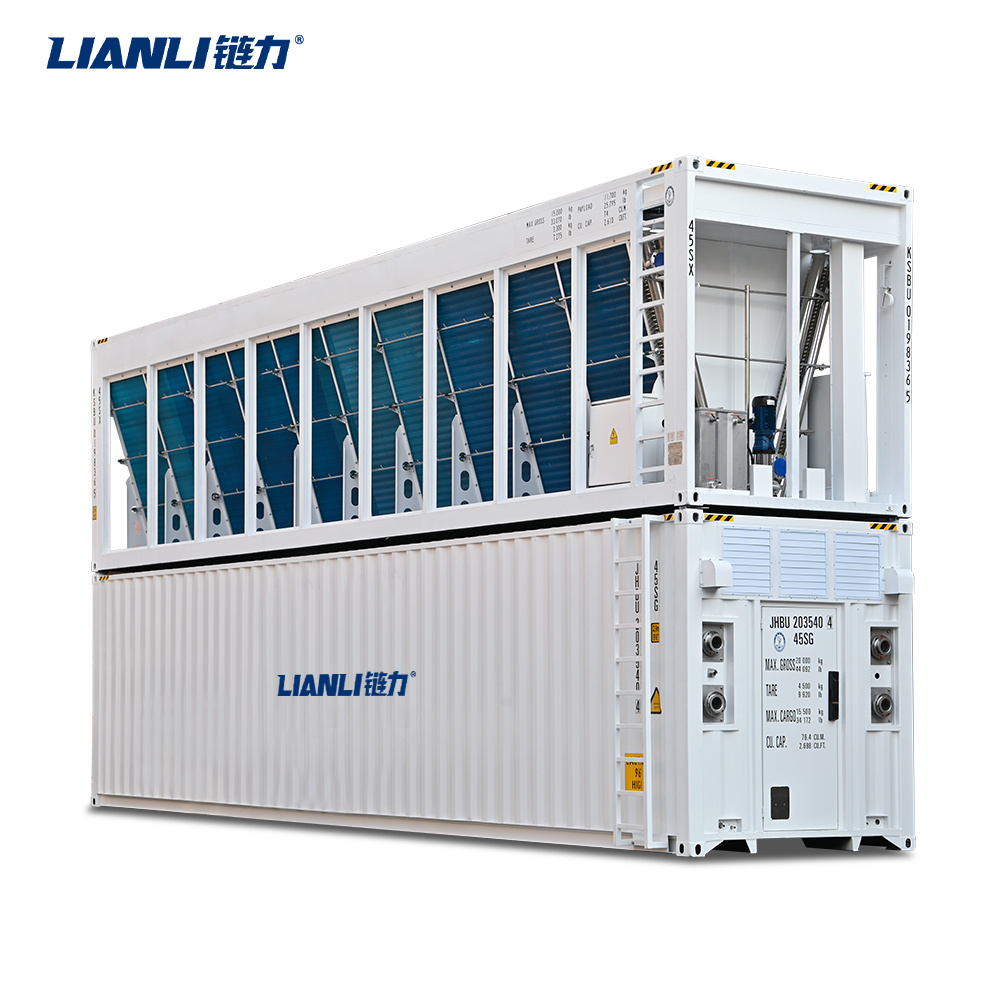
- EZ Blockchain Container: A mobile 1MW immersion pod in Texas overclocks to +40% hash, PUE 1.02, and recycles heat for nearby farms—cutting local energy use by 15%.
- MicroBT's Houston Showroom: Hydro-immersion hybrids run M53 series at 40% efficiency gains; one miner reported 3-year uptime vs. 18 months air-cooled.
- Reddit Miner Insights: u/Common-Manner6499's 200kW setup: "3 years in, pros (silent, durable) crush cons. Fluid costs? Negligible vs. repair savings."
These cases prove immersion scales from garage to gigawatt.
Challenges and How to Overcome Them
No tech is perfect. Drawbacks include:
- Maintenance Hassles: Fluid changes and "de-oiling" for repairs (use IPA alcohol).
- Upfront Learning Curve: Compatibility testing needed; start small.
- Fluid Disposal: Eco-friendly options like biodegradable synthetics mitigate this.
Pro Tip: Partner with pros like Fog Hashing or LiquidStack for turnkey installs.
Getting Started: Your Immersion Roadmap
- Assess Scale: Home? BitPod ($2k). Farm? Modular tanks from CryptoCooling.eu.
- Choose Fluid/Type: Single-phase for simplicity; BitCool for ASICs.
- Overclock Safely: Use firmware like Braiins OS; monitor via tankside sensors.
- Integrate Renewables: Pair with solar for net-zero ops.
- Monitor ROI: Tools like Luxor dashboards track hash and savings.
Ready to dive in? Suppliers like DCX or EZ Blockchain offer free audits. In 2025's volatile market, immersion cooling isn't optional—it's your edge.
Conclusion: Cool Down, Cash Up
Immersion cooling for crypto mining is the silent revolution: quieter ops, hotter profits, cooler planet. With adoption surging in North America and Asia, now's the time to submerge your strategy. Ditch the fans, embrace the fluid, and watch your mining empire thrive. What's your next move—air or immersion? Drop a comment below.